
‘migrate’

The Conversation: Blame the shutdown on citizens who prefer politicians to vanquish their opponents rather than to work for the common good
Nov. 12, 2025—Robert Talisse, W. Alton Jones Professor and professor of philosophy, quoted.
Newsweek: Democrat Aftyn Behn’s chances of winning GOP Tennessee House seat—polls
Nov. 12, 2025—John Geer, Gertrude Conaway Vanderbilt Professor of Political Science and senior advisor in the Office of the Chancellor, is quoted.
INDEPENDENT: The easy household trick that could reduce your energy bill by 10%
Nov. 7, 2025—Jonathan Gilligan, professor of earth and environmental sciences, quoted.
Art Africa: Prefabricating Solidarity at Begonia Labs, the Engine for Art, Democracy, and Justice in Nashville: IMS Žeželj Between Yugoslavia, Cuba, and Angola
Nov. 5, 2025—Vesna Pavlović, Paul E. Shwab Chair in Fine Arts and Professor of Art, interviewed.
Forbes: Cyber resilience: What boards need to know now
Nov. 5, 2025—Niloo Razi, Distinguished Visiting Professor of Political Science, quoted.
New York Times: Murderer, martyr or mirror? The first Luigi Mangione book Is here.
Nov. 5, 2025—Jonathan Metzl, Frederick B. Rentschler II Professor and professor of medicine, health, and society, authored this opinion piece.
The New York Times: Single-issue opinion polls are bunk
Nov. 3, 2025—Research from John Sides, William R. Kenan, Jr. Professor and professor of political science, cited.
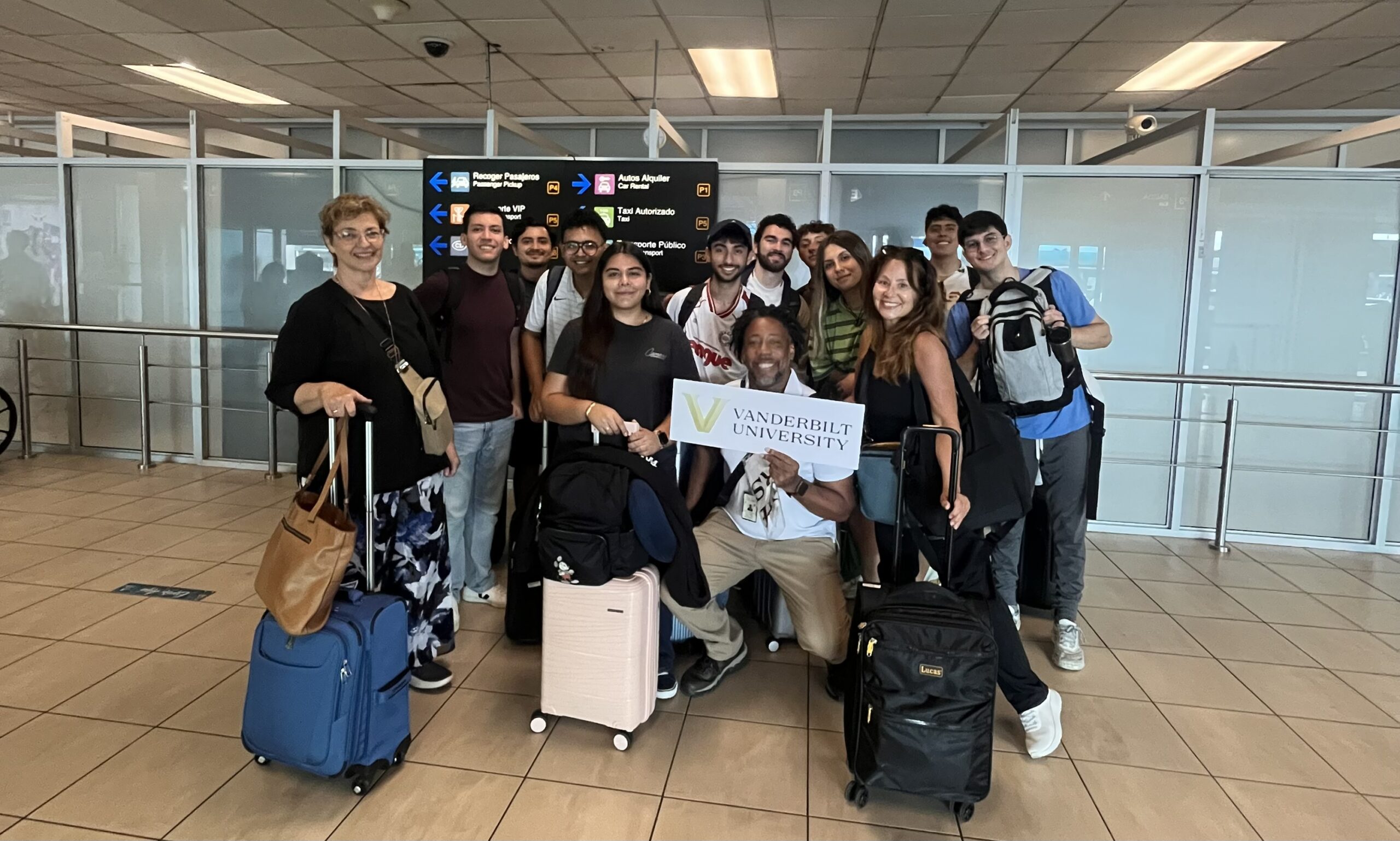
A&S students explore entrepreneurship and the global supply chain in immersive Panama trip
Oct. 29, 2025—Some students may use Fall Break as an opportunity to catch up on rest, see the fall foliage, or carve pumpkins. Students in Principal Senior Lecturer Lori Catanzaro’s class spent their break touring tropical Panama, learning about its critical role in the global supply chain. Throughout the five-day trip, students learned about local corporations such...
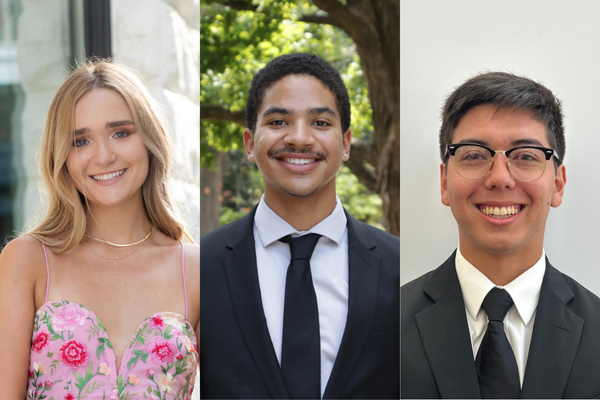
A&S students win prestigious Obama Foundation Voyager Scholarships
Oct. 29, 2025—Three students in the College of Arts and Science were named 2025-2027 recipients of the Voyager Scholarship, the Obama-Chesky Scholarship for Public Service. Awarded to students in their third year of undergraduate education, the two-year scholarship champions young leaders who can bridge divides and help solve the world’s biggest challenges. Through the program, each student...
Science News: Black holes are encircled by thin rings of light. This physicist wants to see one
Oct. 29, 2025—Alex Lupsasca, assistant professor of physics and astronomy, interviewed.